HR & Labor Compliance
Employee Documentation: A Manager's Practical Guide

Key takeaways
- Employee documentation is the factual history a manager can return to after the moment has passed: what happened, what was discussed, what standard applied, and what happened next.
- Observe → Document → Coach → Follow up → Recognize → Warn → Improve → Escalate → Review
- A serious event may need a different response, and contracts, policies, labor law, and the facts all matter.
- Avoid loaded labels, medical or protected-characteristic speculation, backdating, and conclusions you cannot support with facts.
- Keep access limited to people who need the record, according to your retention and confidentiality rules.
- Use the free employee write-up generator to turn facts into a local browser preview.
In this guide
Employee documentation is the factual history a manager can return to after the moment has passed: what happened, what was discussed, what standard applied, and what happened next. It should help managers coach consistently, not turn every routine conversation into a disciplinary record.
A manager's documentation lifecycle
Observe → Document → Coach → Follow up → Recognize → Warn → Improve → Escalate → Review
This is a practical map, not a universal legal or HR requirement. A serious event may need a different response, and contracts, policies, labor law, and the facts all matter.
What to capture
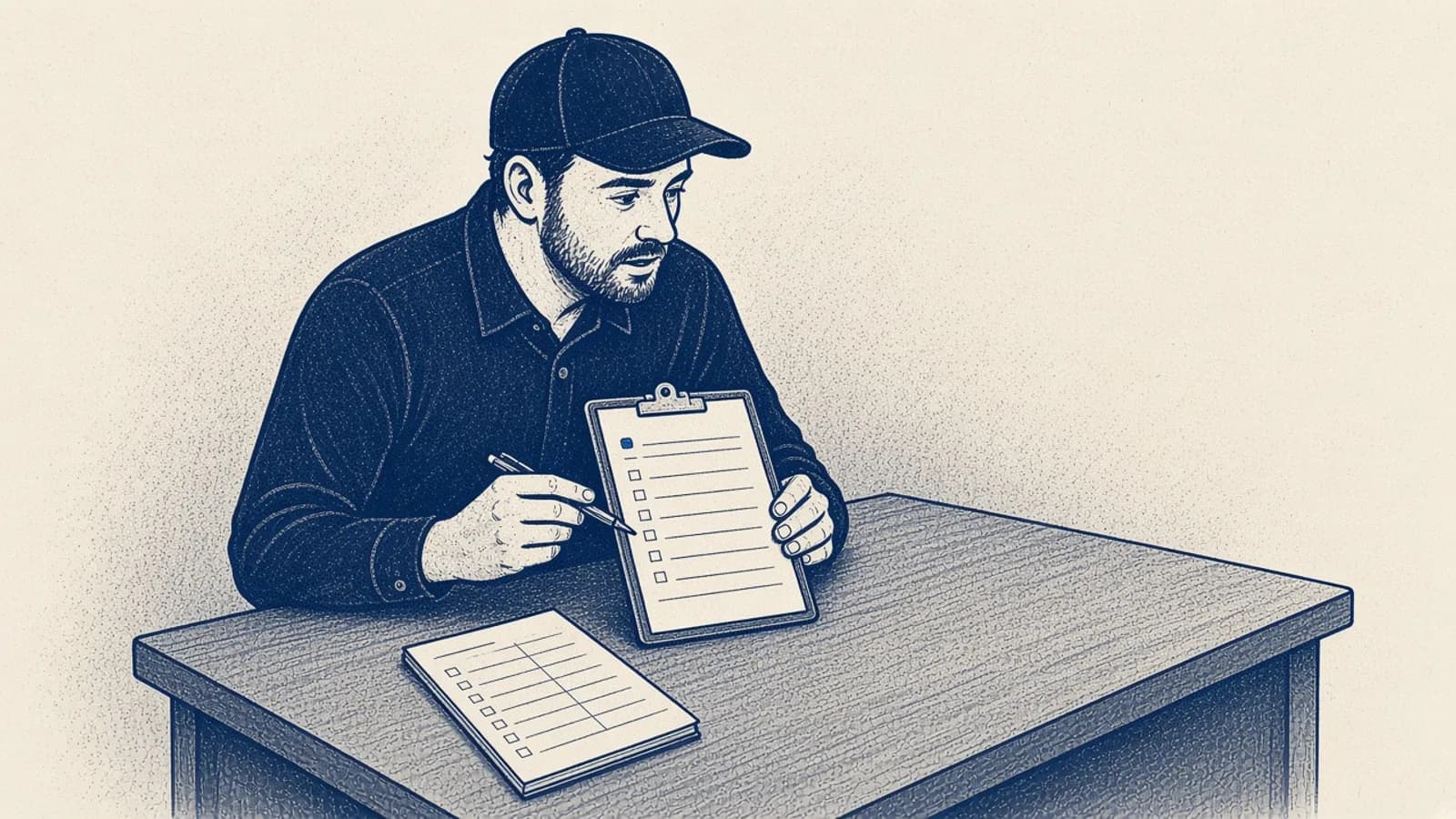
- Dates, times, observable actions, and the source of the information.
- The expectation or policy already in place, when known.
- The employee's response in their own words, without assuming an interview occurred.
- A concrete next step and a follow-up date when one is appropriate.
- Acknowledgment language that distinguishes receipt from agreement.
Avoid loaded labels, medical or protected-characteristic speculation, backdating, and conclusions you cannot support with facts. Keep access limited to people who need the record, according to your retention and confidentiality rules.
Start with one clear document
Use the free employee write-up generator to turn facts into a local browser preview. It is for one incident; it does not decide the correct disciplinary level or send the employee's information to Docu-Coach™.
For the writing process, read how to write up an employee and compare wording in employee write-up examples. For a policy-level discussion, see the progressive discipline policy guide.
From one record to an employee history
A form can document a moment. A manager still needs to find prior coaching, understand whether a follow-up happened, and keep the history available when responsibilities change. Employee documentation software is where Docu-Coach™ supports that ongoing record.
Industry context
The principles are general, but the evidence varies by role and workplace. Restaurant managers can use the restaurant employee documentation guide and the restaurant write-up generator when shift, guest, and operations context matters.
Frequently Asked Questions
What is employee documentation?
Employee documentation is a contemporaneous record of workplace facts, conversations, expectations, follow-up, and relevant acknowledgments. It is not a substitute for your policy, contract, or legal advice.
Should every coaching conversation become discipline?
No. Coaching, recognition, and written warnings serve different purposes. Use the response that fits the facts and your organization's policy; do not treat this guide as a required sequence.
Does an employee have to sign a write-up?
A signature can acknowledge receipt, but it does not need to mean agreement. Follow your organization's policy if someone declines to sign.
Related Resources
How to Write Up an Employee
What a write-up must include, whether the employee has to sign, and what to do if they refuse. Write it the same shift it happens.
11 min read
Employee Write-Up Examples
Employee Write-Up Examples for operators and HR. Step-by-step guidance, legal risk, examples, and best practices.
3 min read
Progressive Discipline Policy Guide
Progressive Discipline Policy Guide for operators and HR. Step-by-step guidance, legal risk, examples, and best practices.
3 min read
Employee Documentation Software for Managers | Docu-Coach™
Employee documentation software for managers who need coaching, incident, and follow-up history. Not payroll or an HR file cabinet. 30-day trial, no card.
3 min read
Restaurant Employee Documentation
What restaurant managers should document, how fast, and where it belongs. Record types, FACT language, progressive discipline steps, and a monthly file audit for FOH and BOH.
12 min read · September 2026
Employee Documentation Template
Employee Documentation Template for operators and HR. Step-by-step guidance, legal risk, examples, and best practices.
2 min read