HR & Labor Compliance
Employee Write-Up Examples
Key takeaways
- Employee Write-Up Examples is essential for operators who need defensible records—not memory.
- Build a first draft with the free employee write-up generator, then use the employee documentation guide to place it in the broader manager record.
- Managers delay documentation because the floor is busy, tools are fragmented, and teams fear "building a case.
- " The result: empty files, sudden terminations, and lost claims.
- Poor documentation creates MOD inconsistency, invisible patterns across stores, and hours of HR reconstruction before any serious conversation.
- Without contemporaneous notes, employers struggle to prove policy awareness, progressive coaching, and consistent enforcement.
In this guide
Introduction
Employee Write-Up Examples is essential for operators who need defensible records—not memory. This guide walks through problem definition, operational impact, legal risk, and step-by-step actions you can use this week. Build a first draft with the free employee write-up generator, then use the employee documentation guide to place it in the broader manager record.
Problem Definition
Managers delay documentation because the floor is busy, tools are fragmented, and teams fear "building a case." The result: empty files, sudden terminations, and lost claims.
Operational Impact
Poor documentation creates MOD inconsistency, invisible patterns across stores, and hours of HR reconstruction before any serious conversation.
Legal Risk
Without contemporaneous notes, employers struggle to prove policy awareness, progressive coaching, and consistent enforcement.
Best Practices
- Document observable behavior, not personality
- Cite handbook sections
- Capture same shift
- Include witnesses when available
- Set follow-up dates
Observable behavior is the hardest of these in practice. The restaurant employee write-up guide pairs the labels managers reach for — "bad attitude," "careless with cash" — with the clock times, quotes, and figures that replace them.
Step-by-Step Guidance
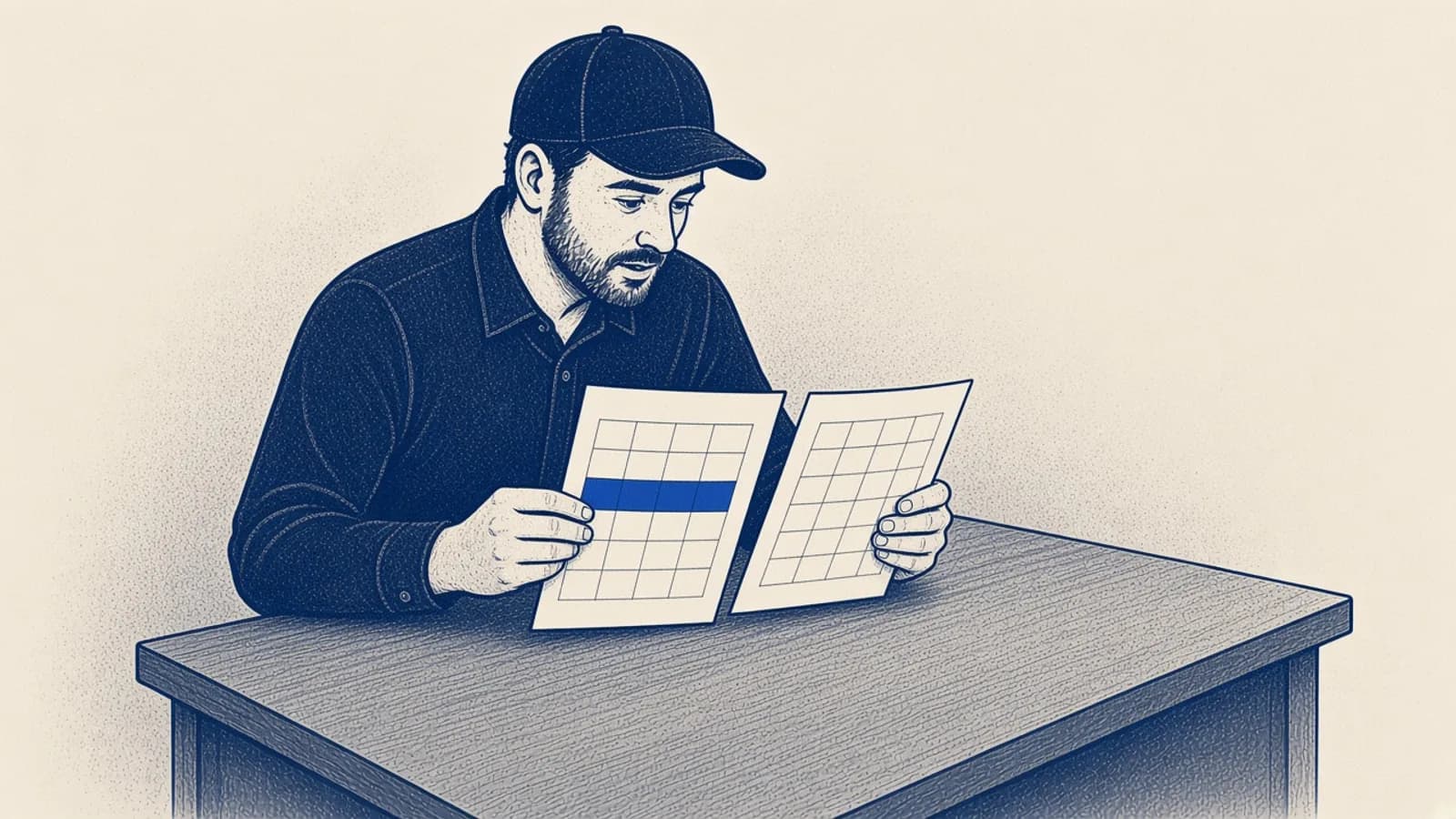
- Identify the trigger event — What happened, when, where?
- Record facts immediately — Voice note or structured form on floor
- Reference policy — Which expectation was not met?
- State action taken — Coaching, warning, suspension, etc.
- Schedule follow-up — Date and metric for improvement
- Store in official file — Not personal phone or group chat
Common Mistakes
- Vague language ("bad attitude")
- Delayed entries after memories conflict
- Missing progressive steps
- Inconsistent standards between employees
For the write-up process, see how to write up an employee. For a no-call/no-show, use the restaurant no-call/no-show write-up. For a late arrival, use the restaurant tardiness write-up. For a personal device on the line, use the restaurant cell-phone write-up. For a guest-facing service miss, use the restaurant rude-to-guest write-up. For a uniform or appearance miss, use the restaurant dress-code write-up. For an unapproved early-out or unauthorized/extended break, use the restaurant leaving-early write-up. For a refused lawful work order, use the restaurant insubordination write-up. For a guest photo, public shift or manager complaint, or private workplace post, use the restaurant social media write-up. For an observed product walkout, unpaid comp, or tip-jar/till taking, use the restaurant employee theft write-up. For a tip-pool skim or unremitted tip-out, use the restaurant tip-theft write-up. A void spike, unauthorized comp, or friend-and-family comp pattern belongs on the restaurant void and comp write-up. For the file itself, use the restaurant employee documentation checklist. Hearing context: how to defend an unemployment claim.
Conclusion
Employee Write-Up Examples protects your business and fair employees. Docu-Coach™ makes each step faster with voice capture and structured records. Start a 30-day free trial, no card, to see the workflow.
Frequently Asked Questions
What is Employee Write-Up Examples?
Employee Write-Up Examples is the practice of creating contemporaneous, structured records of employee incidents, coaching, discipline, and HR actions so operators can defend decisions and reduce legal risk.
Why do restaurants and hospitality operators need dedicated documentation software?
Paper files, texts, and shared folders fail during rush periods and unemployment hearings. Purpose-built tools enforce consistent fields, timestamps, and audit trails.
Does Docu-Coach™ replace our HRIS or payroll system?
No. Docu-Coach™ is the documentation layer—incidents, coaching, write-ups, and personnel file entries—complementing payroll and core HR systems.
How quickly should managers document incidents?
Same shift, ideally within minutes. Docu-Coach™ enables 10-second voice capture on the floor before details fade.
Can multi-unit operators standardize documentation across locations?
People and notes can be organized by location. The Teams plan adds organization admin, team reporting, audit history, and role-based access.
How does better documentation help with unemployment claims?
Contemporaneous records show the employee knew expectations, received coaching, and was treated consistently—key factors in claim defense.
What belongs in an employee personnel file?
Hire paperwork, handbook acknowledgment, dated incident and coaching entries, attendance patterns, investigation notes, and progressive discipline steps.
How do I see Docu-Coach™ in action?
Start a 30-day free trial at docu-coach.com/demo#trial. No card. Questions go to hello@docu-coach.com.
Related Resources
How to Write Up an Employee
What a write-up must include, whether the employee has to sign, and what to do if they refuse. Write it the same shift it happens.
11 min read
Restaurant Employee Documentation Checklist
The same-shift restaurant file: acknowledgments, attendance vs the schedule, alcohol, cash, and guest complaints, ready before a hearing.
9 min read · September 2026
Restaurant No-Call No-Show Write-Up
How restaurant managers document a no-call/no-show the same day, write it up in FACT language, and keep progressive discipline ready for an unemployment hearing.
8 min read · September 2026
Restaurant Tardiness Write-Up
How restaurant managers write up employees for being late: clock-in vs. scheduled start, grace windows, same-day FACT language, and a tardiness pattern that survives a hearing.
9 min read · September 2026
How to Defend an Unemployment Claim
How to Defend an Unemployment Claim for operators and HR. Step-by-step guidance, legal risk, examples, and best practices.
2 min read
How Restaurants Lose Unemployment Claims Due to Poor Documentation
Restaurants lose UI claims when they cannot prove misconduct with dated records—not when they lack a lawyer. Build the documentation pack hearings require.
5 min read · September 2026